
Making Storytime Magic: How Interactive Reading Sparks a Lifelong Love of Books
Transform storytime from a quiet bedtime routine into an interactive adventure that builds confidence, vocabulary, and a genuine love for reading.
Reading is far more than a quiet hobby—it is one of the most powerful gifts we can give our children. When stories become a warm fixture in everyday family life, a child's language blossoms, their awareness expands, and they begin to understand both themselves and the world around them. Through books, families share lasting values and raise resilient, kind-hearted children ready to shine in any situation.
Countless studies show that regular reading fuels vocabulary growth and sharpens critical thinking. Knowing these benefits, parents everywhere want to inspire their little ones to open a book. But the big question remains: how do we get children truly excited about reading?
The answer lies in interactive reading—a lively, shared experience that builds essential skills while turning books into unforgettable adventures.
What Is Interactive Reading for Kids?#

Interactive reading is an engaging approach that transforms storytime into an active two-way conversation. Rather than just quietly listening, your child is invited into the story through out-loud reading, playful pauses, questions, curious predictions, and even reinvented endings.
Educators and parents love this method because it deepens comprehension, fuels creative imagination, sharpens logic, and enriches everyday language skills.
The 3 Stages of Interactive Reading#
To get the most out of every story, try dividing your reading session into three easy, enjoyable stages:
An Example of Interactive Reading in Action:
While turning the pages, pause to look closely at a character. You might say: "Look at his frown—he seems really upset! Why do you think he feels that way? What would you do if you were in his shoes?"
This simple prompt invites your child into the conversation, encouraging thoughtful reasoning and confident self-expression.
Read also: The Power of Play: How It Builds Smarter, Happier Kids
The Wonderful Benefits of Reading for Children#

Making reading interactive nurtures both language and social development. Here are some of the standout benefits:
Read also: 6 Brilliant Ways to Teach Children English
How to Inspire Reluctant Readers#

Many children shy away from books because of learning differences like dyslexia or ADHD, or simply because they feel anxious about stumbling over words. Forcing a child to read under stress can backfire, chipping away at their self-esteem in the classroom and leading to frustration.
What children need most is positive, pressure-free encouragement that connects them to topics they genuinely care about. Here are 9 great ways to spark that excitement:
Read also: Modern Parenting: Smart Strategies for Raising Happy Kids
How to Make Storytime Truly Engaging#
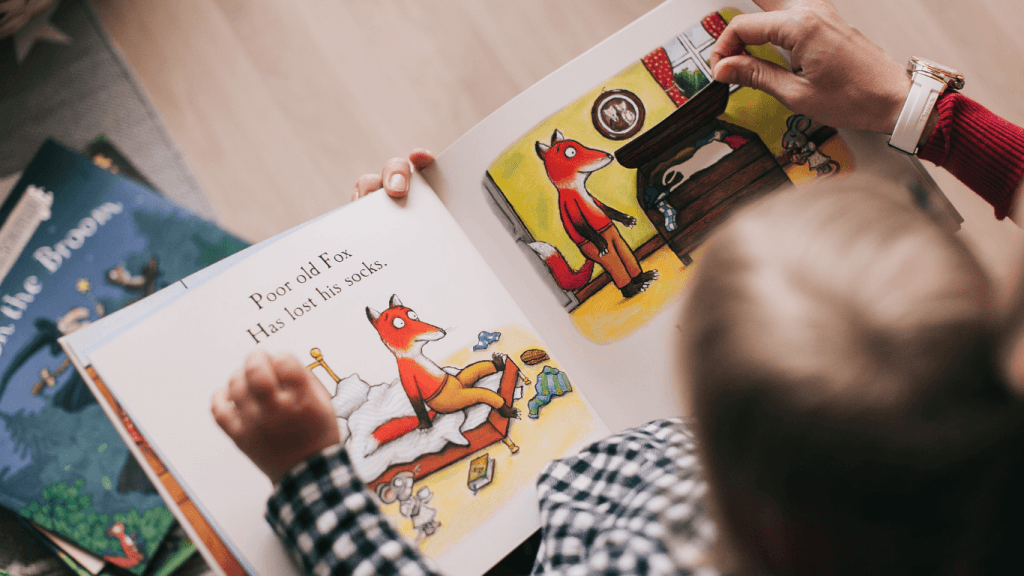
Storytime is far more than reciting black-and-white print—it is a golden opportunity to connect, laugh, and nurture a lifelong love for literature. When stories feel dull or rushed, kids quickly lose focus. Keeping things playful and interactive makes all the difference.
Here are simple tips to bring every story to life:
1. Slow Down and Savor the Pace#
Take your time. A calm, steady tempo gives your child space to process the plot and enjoy the illustrations. Children pick up on body language and vocal energy quickly, so keep your tone warm and attentive.
Short on time? Pick a brief picture book, or read a longer story in bite-sized chapters over several nights.
2. Use Playful Expressions#
Slip into the characters' shoes! You do not need acting classes—just adjust your pitch, make silly facial expressions, and use gestures to bring the drama alive.
Kids find animated storytelling hilarious, and it invites them to join in. You can even grab a favorite teddy bear or puppet to play a part.
This is one of the most effective interactive techniques, making children feel as if they have stepped right inside the book.
3. Add Fun Sound Effects#
Tiny details create big magic. Adding funny noises, rhythmic claps, or atmospheric sounds breathes fresh energy into even the most familiar books.
Try roaring like a friendly dragon, whistling like the wind, or pattering fingers like gentle rain. Don't worry about perfection—your child will love every enthusiastic attempt!
4. Keep the Conversation Going#
Two-way interaction keeps children invested and hones their active listening skills. Once the story wraps up, deepen their connection by asking open questions, such as:
You can also try drawing favorite scenes together, playing matching music, or inventing a fun sequel over breakfast.
5. Build a Special Daily Routine#
Setting aside a dedicated story hour turns reading into a comforting, eagerly anticipated daily highlight. Associating books with warm, relaxed parent time plants the seeds for a lifelong love of reading.
6. Create the Perfect Atmosphere#
A peaceful environment works wonders for keeping young minds calm, focused, and ready to listen:
With these easy habits, storytime will become the highlight of your child's day—naturally fostering curious, confident readers.
Read also: The Power of Play: How It Builds Smarter, Happier Kids
Reading nurtures confident, imaginative, and articulate children who can express their ideas with clarity and joy. Interactive reading unlocks this potential by turning stories into a shared playground of ideas and conversation. Let's make every story count, raising a generation of curious minds, compassionate hearts, and creative thinkers ready to shape the future.